Upright
- courage
- patience
- compassion
- inner strength
- stability
You may be here because this card stayed with you after a draw. Start with the central message, then move deeper into the symbolism, upright and reversed meaning, and the next step it may be asking of you.
This card is one of the strongest search anchors in the deck. If you landed here from a one-card reading, treat it as the main lens first, then read the love, career, money, feelings, actions, and reversed sections as supporting layers.
Use these as a quick scan before the full reading—not as a substitute for the image.
In the Rider-Waite-Smith deck, Strength is not meant to be read as a floating keyword. Waite's scene and Pamela Colman Smith's composition usually pull the eye toward lion, infinity symbol, white robe first. Those details tell you what kind of emotional weather you are standing in before you decide whether the card feels hopeful, tense, protective, exposed, or transitional.
In the Rider-Waite-Smith numbering, Strength becomes an interior mastery card rather than a brute-force one.
This is one of the cards most likely to show up in a one-card reading when a question is already emotionally active. Use it as a lens for the present situation, then connect it back to the page's love, career, and money sections.
The lion makes the emotional core visible right away: raw force, appetite, instinct, and intensity. The card is about how that force is met, not about whether it exists.
The infinity sign above the woman turns the scene away from brute struggle and toward inner regulation. The power here is sustainable because it is calm.
The white robe keeps the card gentle. It reminds you that real strength often looks softer than control, but can hold far more.
You are tempted to push harder because the feeling is loud. Soften your grip instead—hold the boundary, keep your voice kind, and answer the intensity with one steady response rather than a fight.
You do not need to overpower this situation to get through it. Calm strength, patience, and a steady heart will take you further than force, pride, or raw reaction. In this moment, the strongest move may be the one that keeps you centered.
Stay emotionally steady, stay kind, and hold your boundary without hardening your heart.
The Gentle Tamer. This is the quickest way to remember the card's center of gravity without flattening the whole page into a single label.
VIII (8). 8 gives the card endurance, regulation, and the power to hold intensity without collapse.
When Strength is the only card on the table, read the core climate first—then open the one-card interpretation below for the full next-step framing.
Leo and Teth correspondences belong to the Waite and Golden Dawn study line. They can deepen the card, but the main reading still begins with the image and the situation in front of you.
Strength usually points to gentle power, patience, and emotional steadiness. In a one-card reading, treat it as the main lens: stay calm with intensity, hold the boundary without hardening, and let soft courage set the next step.
In a one-card draw, stay with the core message first, then use love, career, feelings, or actions only if they sharpen the next step—not to collect more meanings. If the card came up reversed, jump to the Strength reversed meaning.
Upright Strength often leans yes when the question needs patience, restraint, and mature handling. Reversed, it more often leans wait—restore stamina and self-trust before you force a push.
Upright Strength usually leans open and supportive. Read the scene and your question before you lock the verdict.
Reversed Strength usually leans wait, refine, or ask differently. Let the card meaning and timing outrank a rigid flip from orientation alone.
These are applications of the same card, not separate meanings pasted together. Read them after the general meaning—and compare with the reversed meaning when the draw came upside down.
In love, it favors patience, tenderness, and mature care that calms fear rather than escalating it.
In work, it supports calm leadership, perseverance under pressure, and influence built through character rather than intimidation.
In money, Strength points to calm discipline, gradual improvement, and the ability to hold steady under financial pressure without panicking. It is often a better sign for endurance than for instant profit.
Reversed Strength points to internal depletion, self-doubt, or exhaustion from carrying too much tension for too long. The challenge here is often less about external obstacles and more about fear, fatigue, or frustration eroding confidence from within. In the Rider-Waite reading style, the real work is to recover inner stability before trying to dominate the situation itself.
You may be more tired than you admit, and that fatigue is coloring everything. Be gentle with yourself here; the real strength will return when your inner pressure softens enough for stability to come back. Compare with the upright meaning when you need the same card without the dimmer switch.
In love, it can describe insecurity, fragile patience, or patterns where emotional intensity dominates before trust and listening have had a chance.
In work, it warns that fatigue, frustration, or imposter feelings are reducing your stability, making stress heavier than it needs to be.
Reversed, Strength in money can show drained willpower, financial stress wearing down confidence, or habits that keep undoing careful progress. The issue is often stamina, not intelligence.
Avoid confusing harshness with discipline or treating vulnerability as weakness. Strength works best when it stays calm and compassionate. Reversed cards usually read best as blocked, delayed, internalized, excessive, or misdirected forms of the same core pattern.
Strength usually points to gentle power, patience, and emotional steadiness. In a one-card reading, treat it as the main lens: stay calm with intensity, hold the boundary without hardening, and let soft courage set the next step.
Upright Strength often leans yes when the question needs patience, restraint, and mature handling. Reversed, it more often leans wait—restore stamina and self-trust before you force a push.
Reversed Strength usually points to fatigue, self-doubt, or emotional depletion. The card asks you to regulate and refill before you try to dominate the situation.
Avoid confusing harshness with discipline or treating vulnerability as weakness. Strength works best when it stays calm and compassionate.
In love, Strength supports patience, tenderness, and trust that calms fear instead of escalating it. In career, it supports steady leadership, endurance under pressure, and influence earned through character rather than intimidation.
The easiest mistake with Strength is to rush to the takeaway and miss the feeling of the scene. The image usually tells you whether the card is opening, warning, steadying, or softening the situation before the keywords ever do.
Love, career, and money help you ground the card in real life. They should deepen the main message, not replace it.
This card is one of the clearest anchors for one-card tarot search intent. If it appears in a reading, use its meaning as the main lens, then move into the practical next step you need most.
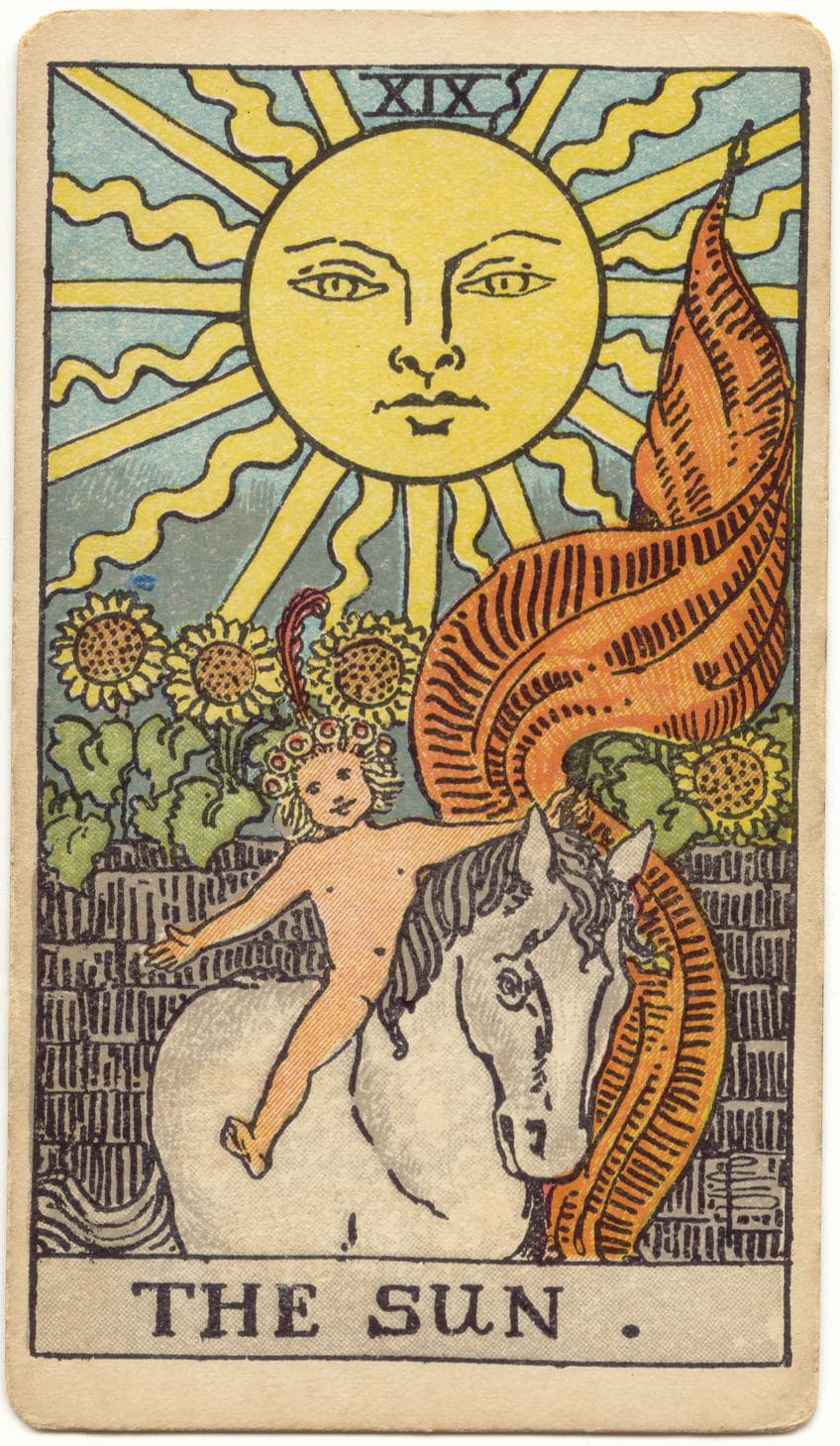
For a clearer contrast with delayed or self-dimmed joy, compare this card with The Sun and its reversed meaning.