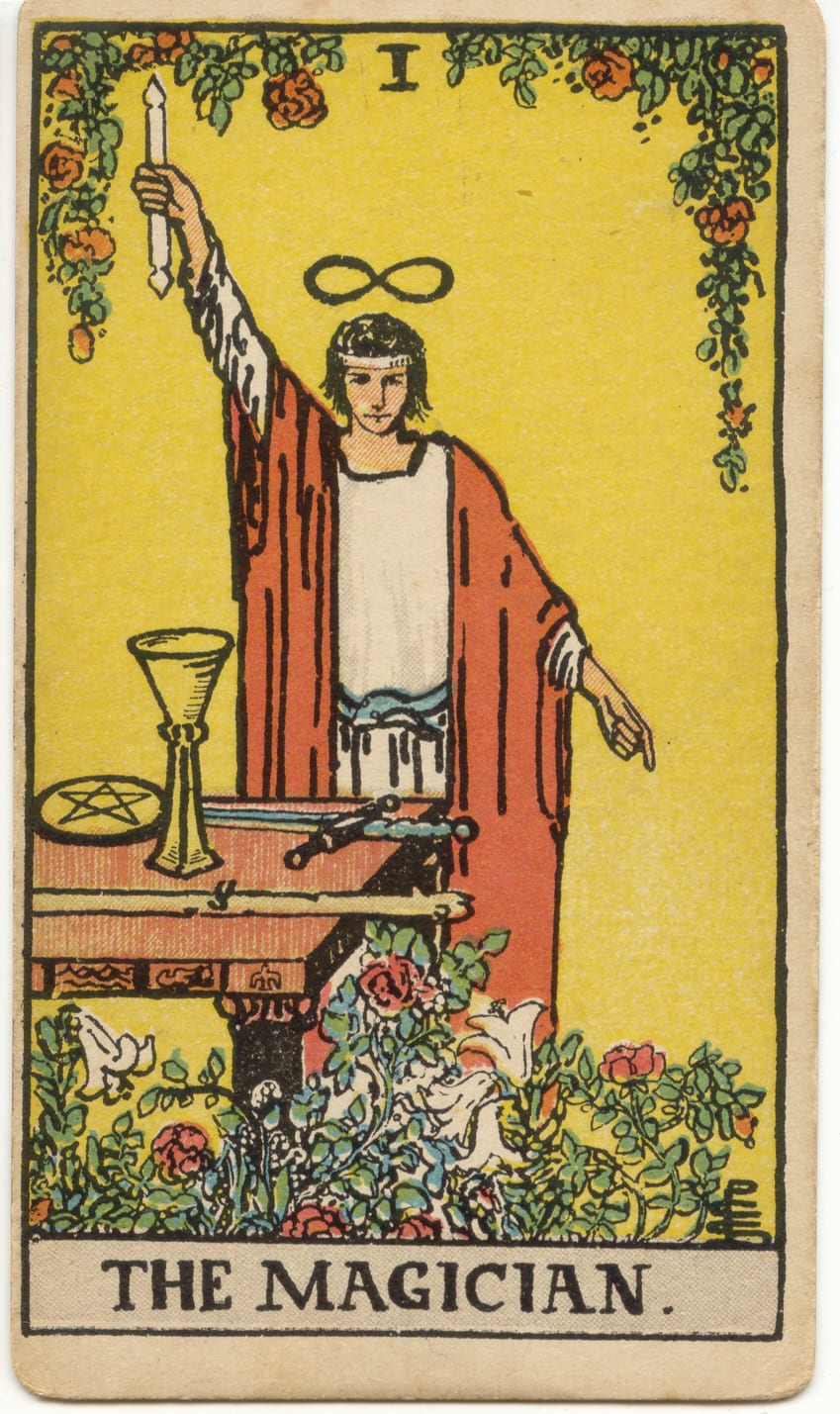
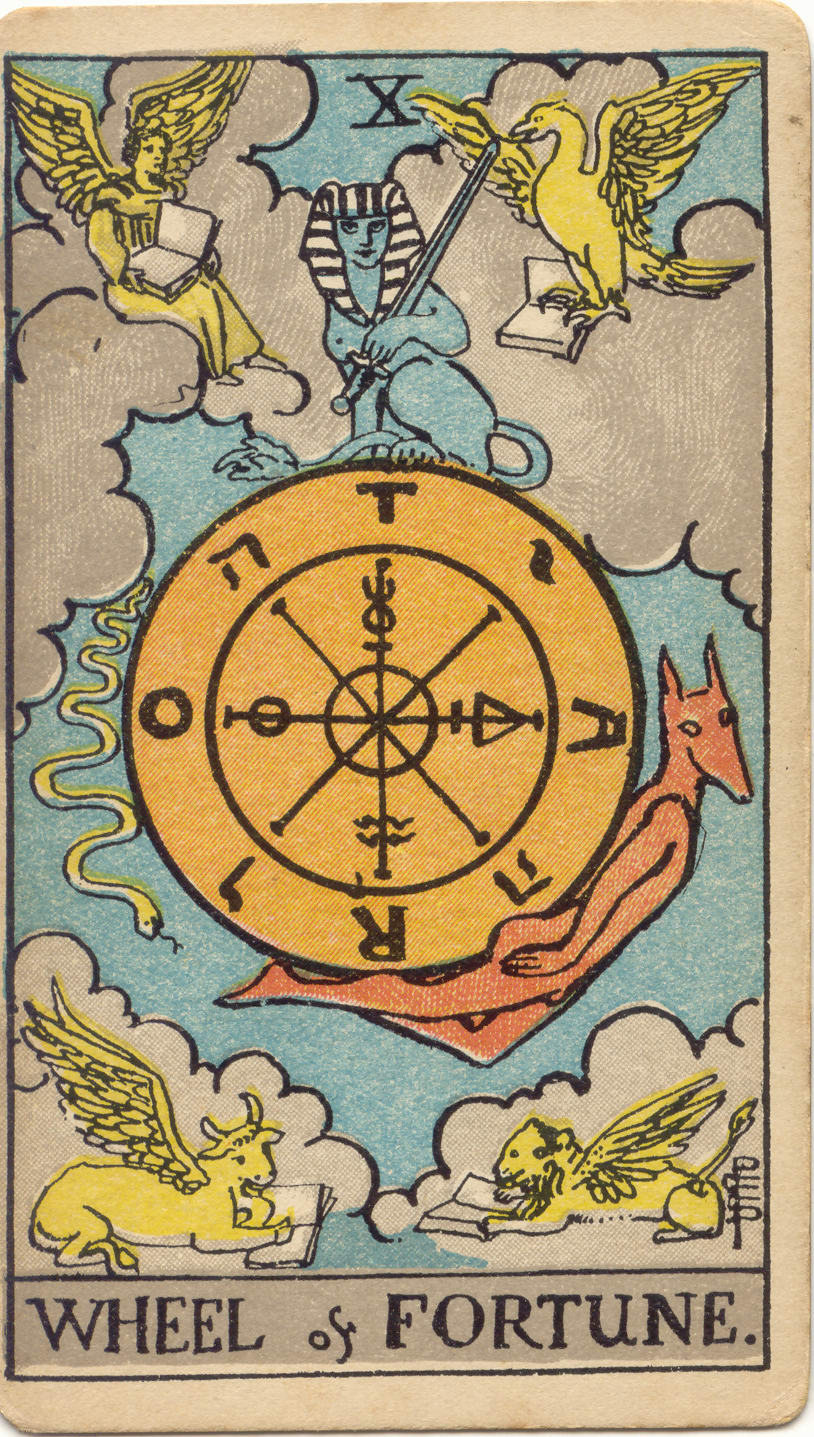
Free Yes or No Tarot Reading

Draw Your Yes or No Card

Bring one clear yes or no question to mind, then draw one card.

Not sure what to ask? That's okay. Sometimes the cards know before you do.

Yes or No Tarot

Yes or No Tarot Reading

Use this Yes or No Tarot reading when you need a clear answer fast, but still want enough guidance to understand what the yes or no is asking of you.

Quick start

Before you draw

A clean decision question plus one draw is usually enough to show the direction.

1. Pick one question you can act on.
2. Keep it tight: one person, one decision, one time window.
3. Draw once. Read it as lean yes, lean no, or wait/reframe—not destiny.
4. If it feels unclear, refine the question instead of redrawing.
Real questions

Situations this page handles best

Use this Yes or No Tarot path when the question is specific enough to answer directly, but still emotionally loaded enough that you need more than a flat prediction.

Should I make a move now?

Use this reading when you are deciding whether to text, apply, ask, respond, or move first and you need quick directional clarity.

Wait, go, or step back

This path helps when you are caught between patience and action and want to know whether the energy is opening, stalling, or asking for a reset.

Feelings, reconciliation, or timing

It also works for relationship decision questions where the real issue is readiness, consistency, or whether the situation still has movement.

Quick answers with context

Choose this page when you want a fast answer, but still need the card to explain what is supporting or blocking that answer.

Answer model

Lean Yes · Lean No · Wait or Reframe

Most Yes or No Tarot readings land in one of these three leanings. Use it as guidance—not absolute prophecy—then follow the next step instead of redrawing for a different label.

Lean Yes

The energy is open enough to move forward. Treat it as a leaning—not a prophecy. Take one small step and follow the message underneath the yes.

Lean No

The path looks blocked, misaligned, or not clean right now. Pause, protect your energy, and consider a different approach before you force the outcome.

Wait or Reframe

Timing is not ready, or the question is too broad or emotionally loaded. Let the situation settle, gather one missing fact, or ask a cleaner question instead of forcing a fake verdict.

Answer model for lean yes, lean no, and wait or reframe.
Quick summary

Looking for a directional pull, not a courtroom verdict? This Yes or No Tarot draw keeps it simple without flattening the message: one card, a lean yes / lean no / wait frame, and one practical next step.

Yes or no tarot reading with a single card illuminated by candlelight.
Where you are now

You may be feeling pulled between moving forward and holding back, especially when the decision feels urgent but your inner answer still is not fully settled.

What this asks of you

What this asks of you now is to treat the leaning as direction, not destiny, and to listen for the message underneath the answer.

Your next step

Your next step is to ask one precise question, draw once, and let the card show whether the energy is opening, pausing, or asking for a different path.

Keep going

If the answer feels bigger than yes or no, follow the next path.

Redraw only after something real changes. Otherwise use the path that matches what the question is really about—or switch tools below.

Reading guide

How to get a clean yes or no from one card

A useful Yes or No Tarot reading starts with a precise question, then reads upright/reversed energy as a leaning—never as destiny. Card meaning and your real situation outrank mechanical rules.

How we get a yes/no leaning from one card

After you draw, read the card as direction first—not destiny. Supportive, open cards lean yes. Blocked or misaligned cards lean no. Timing or inward cards often mean wait. Vague or stacked questions usually mean reframe. Card meaning and your real situation always outrank a mechanical upright = yes / reversed = no rule.

Upright vs reversed (priority order)

Upright often leans open or supportive for the path you asked about. Reversed can lean blocked, delayed, or inward. But the card’s meaning and the scene of your question come first—never flip a verdict from orientation alone when the image clearly says something else.

Good questions vs weak questions

Weak: “Will my love life work out?” or “Will everything be okay?” Stronger: “Should I text him this week?” or “Should I apply for this role before Friday?” Clean decision questions name one person, one choice, and one time window.

When not to redraw

Stay with the first draw. If you dislike the leaning, read the full meaning and next step instead of fishing for a different verdict. Redraw only after something real changes or after you have refined the question.

How to use a Yes or No Tarot reading

Ask one clean question before you draw. Read the card as Lean Yes, Lean No, or Wait/Reframe. Upright often leans open; reversed often leans blocked—but the card’s meaning and your scene come first. If the answer is wait or reframe, treat that as information, not a failed reading.

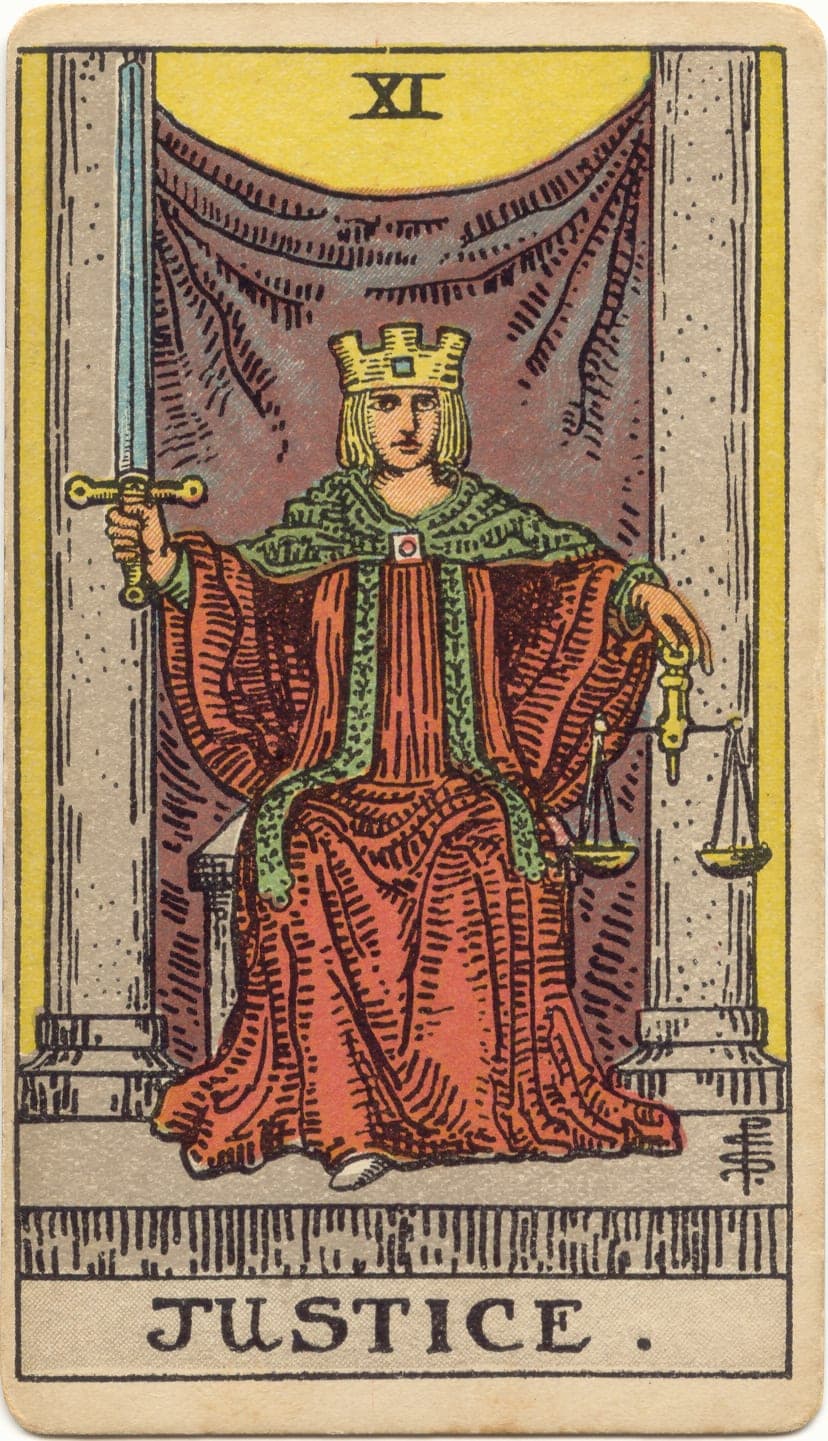
Related card meanings

Example questions

Questions people often ask

Not sure what to ask? That's okay. Sometimes the cards know before you do. Use one of these as a starting point, then make it more specific to your situation.

Stronger yes/no questions
Should I text him this week?
Should I apply for this role before Friday?
Should I wait on this offer until next month?
Weaker questions (reframe these)
Will my love life work out?
Will everything be okay?
Does he like me forever?
Love questions
Should I text him first?
Is she thinking about me?
Should I move on or wait?
Will we get back together?
Does he still have feelings?
Should I make the first move?
Work & life decisions
Should I quit my job?
Should I apply for this role?
Should I accept this offer?
Should I move to a new city?
Should I wait or act this week?

Yes or No Tarot reading FAQ

Is one card accurate for a Yes or No Tarot question?

One card can reflect energy and timing around a narrow ask, but it is not a guarantee. Treat the leaning as guidance, then verify with real-world signals and your own judgment.

How do I ask a clean yes/no question?

Keep it specific and actionable: one person, one decision, one time window. Avoid stacked outcomes in a single ask. If the draw feels muddy, refine the wording before you draw again.

Can reversed cards change the answer?

Yes. A reversal can shift an opening into delay, turn a soft yes into caution, or show that the path needs a different approach before it can open. Always read the reversal with the question, not as a permanent block.

Do you give flat yes/no verdicts?

This page gives a one-card answer, but it does not stop at a flat label. It reads the card as direction—yes, no, wait, or ask differently—so you also understand what the answer is built on and what to do next.

How do you do a Yes or No Tarot reading online?

Ask one precise question, draw one card, and read the message as direction first, not just prediction. The strongest draws show whether the energy is opening, pausing, or asking for a different approach.

Can one tarot card answer yes or no?

Yes. One card can give a useful directional answer when the question is narrow and practical. The real value is not only the label, but the guidance underneath it.

What tarot cards mean yes or no?

Some cards feel more open or more blocked, but the answer depends on your question and whether the card is upright or reversed. This page reads the card as direction: yes, no, wait, or ask differently.

Should I redraw if I dislike the answer?

Usually no. Stay with the first answer and use the full card meaning to understand what the draw is asking you to notice before you ask again.
Continue exploring